Showing posts with label weekend in korea. Show all posts

Wednesday, November 19, 2014

Korea Bucket List: Seoraksan National Park

Sitting high on my Korea Bucket List for the past three years has been Seoraksan National Park. I don't have a single good reason for why it took me so long to make it out there, but I'm definitely kicking myself for putting if off for so long. A couple weekends ago, Corey and I took a trip with Adventure Korea out to this famous park to soak up the cooling fall weather and do some hiking. 


Seoraksan National Park is located in northeastern Korea, about three to four hours driving distance from Seoul. The park itself is massive -- 398.5 km² (over 98,000 acres!), with so many hikes and trekking courses to potentially follow. The weekend we spent in the park definitely wasn't enough, and I really wish I'd made more trips to the park during my time in Korea. (So let that be a lesson to you, readers! Don't follow my terrible example!) 


The day we arrived, we hiked the popular Ulsanbawi course, which is probably one of the tougher hikes I've done in Korea. While being far from being the tallest peak in the park (that would be Daecheongbang, standing at 1,708 meters), Ulsanbawi is known for its unrelenting stairs and the stunning view from the top. The jagged rocks along the ridge of nearby peaks has made the view from Ulsanbawi become one of the iconic photo spots of Seoraksan National Park. Looking forward to this, we steeled ourselves for the stairs. 


However, as we set off for Ulsanbawi, we looked doubtfully up at the clouds that obscured the mountain peaks. Not only was it threatening rain, but if we did make it to the top, it looked like we wouldn't be able to see a damn thing. The rain held off during the hike, and when we got to the top, this was our surreal view: 


So, no rocks spiking along the tops of mountains, and instead, blue-grey nothingness. While I would advise you to keep an eye on the weather, hiking into a cloud and being surrounded by sound-muffling fog was a new level of bizarre, but also something I'm happy to have gotten to see. 


The hike itself isn't very long -- we went all the way up, with numerous rest breaks along the way, took photos, enjoyed our accomplishment, and made it all the way back down in under four hours. The stairs are punishing, especially the steep stretches that are literally affixed to the rock face, but while blogs online will say this hike is a rough one, it isn't impossible, and I highly recommend doing it. 


Feeling rather jelly-legged after the Ulsanbawi hike, we opted for leisurely trekking on our second day, following the Yongso Falls course through Jujeon valley. This route took us along a small river that snaked through the valley, showing off the impressive mountains above us. The path to the waterfall was under construction, so we weren't able to see it, but we still had fun climbing on the rocks in the river and taking photos of the scenery. Note the dazzlingly blue sky that would've been awesome for the Ulsanbawi hike... -_-


Along this course, we also stopped at some of the natural springs to drink the Osaek mineral water. Osaek means five flavors, and drinking the mineral water is said to be good for digestion and upset stomachs. There are a couple spots at the start of the course where the mineral water can be scooped from holes inside of the rocky riverbank. The water had an interesting taste -- very metallic and bitter. The area surrounding the valley also has numerous spas where you can soak in the mineral water to relax aching muscles.


Seoraksan National Park was stunning, and it's definitely on my list of spots to someday revisit.

For more information about the park, visit its official website. If you're interested in doing a tour with Adventure Korea, check their schedule here.

Thursday, July 31, 2014

Exploring Korea: Easy Day Trips from Seoul

This blog entry was originally published on the Aclipse Blog, which is produced by current Chungdahm Learning teachers in Korea! The blog features entries on current events around Korea, advice for incoming teachers, and the best spots for sightseeing, shopping, and eating. The original entry can be viewed here.

By "day trip" I mean just an hour or two of travel from Seoul, with activities that can be accomplished in one day, and time to get all the way home again before bed. Technically, anywhere in the entire country could be seen as a day trip as it's approximately the size of Indiana, but here are my favorite spots that are really easy to get to and from. 

nami island gapyeong korea

There's absolutely plenty to keep you busy within Seoul's city limits, whether you live and work there or if you're trekking in for weekend adventures. That said, it's nice to escape from the big city every now and then to see a new area of Korea. 

Here are some options: 

Gapyeong

Just an hour away from Seoul via the ITX, Gapyeong is beautiful, mountainous, and full of cool things to see. Top of the list would obviously be the famous Nami Island, which I blogged about last summer. Nami is small, though so don't waste too much of your time on the island -- there's more in the area to check out! A shuttle bus, for only 5,000 won, does a giant loop between all the popular spots. 

Nami Island is the closest to the train station, and from there it travels on to Petite France -- a small "French" style village smack in the middle of Korean mountains. I happened to visit Petite France with my sister, who just spent the last year teaching in France, and she said it was truly bizarre.  

petite france gapyeong korea

From there, you can catch the bus again and head out to the Garden of Morning Calm, which is absolutely stunning. This huge flower garden is open all year round, featuring an elaborate light festival in the winter months. 

KTO has great info about Gapyeong travel here. In addition, check out Trazy's pages on Petite France and the Garden of Morning Calm

Suwon

Recently, I wrote about Suwon's Hwaseong Fortress, which is absolutely one of my favorite spots to hike in Korea. The architecture of the old fortress wall plus the landscape of new high-rise apartments is just a really striking combination.  

hwaseong fortress suwon korea

In addition to the fortress, you can also hop on a bus to the Folk Village. I visited the Folk Village one year during the Chuseok holiday and it was bustling with activities and performances -- all of which are part of their regular schedule. 

See the Trazy page for more information.

Incheon

Obviously, I'm going to include the city I've called home for the past two and a half years, but that's not just favoritism talking. Check out these two entries about the top things to see in Incheon. 

central park songdo incheon korea

Honestly, I would recommend the following: eat lunch in Chinatown, walk around Jayu Park while you digest, head over to Wolmido for some amusement park rides and street food snacks, then grab a bus or a cab into Songdo for a walk along Central Park's canal and some dinner. 

Travel info from Trazy: Chinatown and Jayu Park.

Paju

Paju is typically known as the city that's closest to North Korea, as it sits on the 38th Parallel. It's also the city that you'll be in if you visit the DMZ. But, there's so much more to see in Paju than just the DMZ (though that is pretty cool, too). 

heyri art village paju korea
Photo credit: Korea Tourism Organization
While this remains on my Korea Bucket List, I've been told by numerous friends that the Heyri Art Village is a must-see spot. It's a community of artists that was built by artists. Cool restaurants, eye-catching architecture, as well as lots and lots of art will keep you busy wandering around and snapping pictures. 

For more information, check out KTO's website, and Trazy's information on both the Heyri Art Village and on the DMZ

And, for the latest travel destinations, visit Trazy.

-----

Have you visited any of these spots? Do you know of any other great day trips from Seoul? Leave a comment below! 

Saturday, July 19, 2014

Suwon's Hwaseong Fortress

This blog entry was originally published on the Aclipse Blog, which is produced by current Chungdahm Learning teachers in Korea! The blog features entries on current events around Korea, advice for incoming teachers, and the best spots sightseeing, shopping, and eating. The original entry can be viewed here

One thing that I really love about living in Korea is the history that's simply everywhere. With Korea's rapid modernization, fancy cities have sprung up around old structures, creating a really interesting contrast of the new against the historical. One of the coolest examples of this is Suwon's Hwaseong Fortress. It's right outside of Seoul, easily accessible via the subway, making it an excellent day trip that you should check out this summer!

hwaseong fortress suwon korea

Hwaseong Fortress was built in the 1790s under the reign of King Jeongjo of the Joseon Dynasty. It was designed to be a defensive structure, with 48 structures along the wall, including sentry posts and gun towers. It has four main gates, each facing a different cardinal direction, each of which are still impressive to see. The Korean War damaged the fortress, but in the 1970s, effort was made by the government to rebuild most of what was destroyed, with the current structure being about 75% of what it originally was. Then, in 1997, it was named a UNESCO World Cultural Heritage Site.

hwaseong fortress suwon koreaSee all the holes in the walls? All for defensive measures.

What stands today is a fascinating look into Korea's history, juxtaposed with the hustle and bustle of one of Korea's main cities. It really is neat to see cars zipping down the street right next to the walls of the fortress -- just as you forget you're in the middle of the city, you look out from above the wall and are reminded of the stark contrast.

hwaseong fortress suwon koreaOne of the many lookout spots.

Walking along the fortress wall is what I would recommend doing, which stretches 5.25 kilometers. Though I will warn you that it's a lot of stairs, just like much of the hiking in Korea. Definitely hike all the way up Paldalsan -- the fortress wall snakes up the mountain and leads to a lookout spot that offers a really stunning view of Suwon and its surrounding area. 

hwaseong fortress suwon koreaAs high up as we could get.

hwaseong fortress suwon koreaCity, city, and more city. 

In the middle of the fortress walls lies a palace, Haenggung, that was built not only as a place for the king to stay in when visiting Suwon, but also to serve as the king's residence since King Jeongjo supposedly planned to move the capital from Seoul to Suwon. This never happened due to his sudden death, but the palace remains and was a lot of fun to wander through while we were exploring the fortress.

hwaseong fortress suwon korea

Directions and Information: 

  • Suwon Station, Seoul Subway Line 1
  • Exit 4 -- the Tourist Information Center outside this exit can direct you to the city bus that heads in the direction of the fortress. 
  • Hours: 9am-6pm, March-October; 9am-5pm, November-February
  • Admission: 1,000 won
  • For more information, visit the Korea Tourism's site here or the official site for Hwaseong here.
Definitely give yourself at least a few hours to hike the whole thing, and maybe plan to pack some food. There are spots all long the wall to stop and rest, so I think this would be a great spot for a picnic while you soak up the history of this old structure that still stands smack in the middle of a modern Korean city! 

Monday, April 28, 2014

Cave Exploring: Hwanseongul in Samcheok

Since I'm terrible at remembering to finish and publish blog entires, I have a lot of catching up to do... So, let's rewind to last fall when Dinah and Marley came to visit and we took a trip over to Korea's east coast...

-----

A trip to Samcheok on Korea's east coast isn't complete without a visit to one of its best tourist destinations: Hwanseon Cave. I'd never been in a large cave before, so I was seriously excited to check out one that boasted being not only the "largest limestone cave in Korea," but also one of the largest in all of Asia. Last fall, I took a weekend trip with some friends who were visiting from the U.S. and the cave was just as awe-inspiring as we were hoping.

hwanseongul samcheok cave

The Samcheok area is full of activities, such as a very, ahem, special park (photo blog coming soon of this gem...), gorgeous beaches, delicious seafood, railbiking, and great hiking. They have two caves, Hwanseongul and Daegeumgul. We only had time for one cave, so we opted for Hwanseongul. It sounded the most impressive with its 6.2 kilometers of known passages. So, we bought tickets and hopped on a bus from Samcheok Intercity Bus Terminal, ready to do some cave exploring.

hwanseongul samcheok caveThe bus from the bus terminal drops you off in a big parking lot, with the bat-shaped ticket booth ahead, which is where you purchase tickets for the cave for ₩4,000. 

In order to get up to the cave, since it's inside a mountain, you have two options: a short hike or a ride up a little monorail. Since we were looking to conserve energy, we chose the monorail. A roundtrip ticket is ₩5,000, which is what we opted for, but you can also do a one-way for ₩3,000. 

hwanseongul samcheok caveBefore going up to the monorail platform, stop at the little ticketing booth to purchase your ticket.

hwanseongul samcheok caveStrange little boxy monorail car, with the track ascending in the background.

hwanseongul samcheok caveMy view from the monorail window as we went up. 

hwanseongul samcheok caveThe entrance! 

The mountain air was already crisp and cool, but as we approached the cave, we could feel the temperature dropping. We stopped for some pictures and marveled at the map of what we get to explore vs. the sheer size of the entire cave and its tunnels:

hwanseongul samcheok caveAs you can see, this cave is HUGE. 

hwanseongul samcheok caveAnd in we go. 

Walking inside, we were immediately hit with sounds of rushing water. This cave, as you'll see in my pictures, is very, very wet. It has quite a few small lakes and waterfalls. There's something about the sound of water echoing through gigantic chambers of rock that's just cool

hwanseongul samcheok cave

hwanseongul samcheok cavePhotos just don't do it justice.

hwanseongul samcheok caveTons of really strange looking rock formations.

hwanseongul samcheok caveTook this leaning over the side of a bridge -- the pit below is of unknown depth. Meaning it's too deep for anyone to be able to tell. Crazy!

hwanseongul samcheok caveLots of rope lights in this place...

As you can see, the entire cave was pretty well lit. They've set up small spotlights on the various features of the cave, along with names and little information signs telling you about how it formed/what it is/etc. It was all very interesting, so if you go, try to make the time to read as you walk through. 

hwanseongul samcheok cave

hwanseongul samcheok caveMore crazy looking rocks.

hwanseongul samcheok caveJust incredible.

Tips for visiting Hwanseongul:
  • Get there super early. We caught the 8:20am bus from Samcheok Intercity Bus Terminal, arriving at the cave around 9am, and it was nice and quiet. We were able to wander through at a leisurely pace, not feeling rushed by crowds of people behind us. When we made it back to the bus stop to leave around 11am, floods of people were getting off tour buses. 
  • Dress warm! Even in the summertime, the cave stays a cool 12-24°C (53-75°F), so plan to always have at least a light cardigan on you. In the winter it's obviously even colder, with the average being 8-9°C (46-48°F). 
  • Wear shoes with a good tread. As you can see in the pictures, the paths through the cave are all metal, including the grates that make up the flooring. Also, the cave is quite wet. While I was wearing decently grippy shoes, I was anxious to watch my footing because it did feel like it could easily be slippery. 
  • Speaking of water, beware of drips. If you're coming into the cave with a nice camera, be ready to shield it from dripping water -- it's pretty much everywhere.
  • Your overall travel time to and from the cave will look something like this: 40 minute bus ride from Samcheok Intercity Bus Terminal, about a 15 minute walk up the base of the mountain to reach the monorail station, about 15 minutes on the monorail itself, and about an hour to meander through the cave. If you actually want to hike to and from the cave, budget in about an extra hour or so. 
  • For more information, check out Samcheok's website and Korea Tourism Organization's Hwanseongul website.
I highly recommend a trip to Hwanseongul. Samcheok is a beautiful area and well worth a weekend getaway, and while you're there, definitely make the time to see this massive cave! 

Sunday, April 27, 2014

My Favorite Korean Palace: Gyeongbokgung

The weather is finally getting warmer and in anticipation of the prime sightseeing and out-of-doors season, I've been revisiting pictures from my past springs and summers in Korea. I can't wait to get out and take full advantage of my upcoming weekends -- there are so many festivals coming up! One of my favorite spots that I'm looking forward to revisiting this springtime is the grandest of the five palaces in Seoul: Gyeongbokgung.

So here's a glimpse into this palace's grounds through photos I've taken over the past couple of years...

gyeongbokgung seoul palace korea

The Joseon Dynasty, which began in 1392 and lasted nearly five centuries, is responsible for the construction of the Five Grand Palaces of Seoul: Changdeokgung, Deoksugung, Changgeyonggung, Gyeonghuigung, and of course, Gyeongbokgung. It's on my Korea Bucket List to visit each of these palaces, but I've only seen two of the five so far because something keeps pulling me back to Gyeongbokgung whenever I get the chance. 

gyeongbokgung seoul palace korea

Gyeongbokgung was first built in 1395 and served as the main palace for the Joseon Dynasty. Its time as the king's primary residence was disrupted, however, by its destruction in the 1590s due to Japanese invasion and war. Beginning in 1868, the palace was restored and expanded, only to take serious hits in the first half of the 20th Century under Japan's occupation.

Since 1990, the Korean Government has been working on restoring the palace to its former grandeur, with it being approximately half completed at this point.

gyeongbokgung seoul palace korea

So why do I love this palace so much? Well, basically, because it's just gorgeous. The palace grounds are absolutely massive, so with each trip, I find an area I hadn't fully explored the time before. The whole place is just outrageously photogenic and wandering around aimlessly is relaxing and peaceful.

gyeongbokgung seoul palace korea

gyeongbokgung seoul palace korea

gyeongbokgung seoul palace korea

If you like museums, also be sure to check out the National Palace Museum of Korea, which is located right outside the palace walls, and the National Folk Museum of Korea, which is within the palace grounds. (Definitely something to keep in mind if you're visiting the palace during the summer heat!)

gyeongbokgung seoul palace korea

gyeongbokgung seoul palace korea

Something else that I love about the palace are the cultural programs and events that it hosts. A couple years ago, some friends and I went to Gyeongbokgung during the Chuseok holiday because we had read about the variety of performances and activities that had been designed for the holiday weekend. We saw traditional dancing, did some arts and crafts, and ate good food. If you're ever in need of somewhere to go for a holiday weekend in Korea, look into what the palaces are hosting!

gyeongbokgung seoul palace korea


Directions and information:
  • Subway: Gyeongbokgung Station, Seoul Metro Line 3, Exit 5. 
  • Admission cost: 3,000 won.
  • Hours: Opens at 9am year-round; closes at 5pm November-February, 6pm March-May/September-October, and 6:30pm June-August. 
  • Closed: Tuesdays.
  • Gyeongbokgung Official website.
  • For more information about the palace, here's an interactive map of the palace grounds from the Cultural Heritage Administration of Korea and the informational website from the Korea Tourism Organization.

Saturday, March 29, 2014

Photo Blog: Time Warp at the Seoul Folk Flea Market

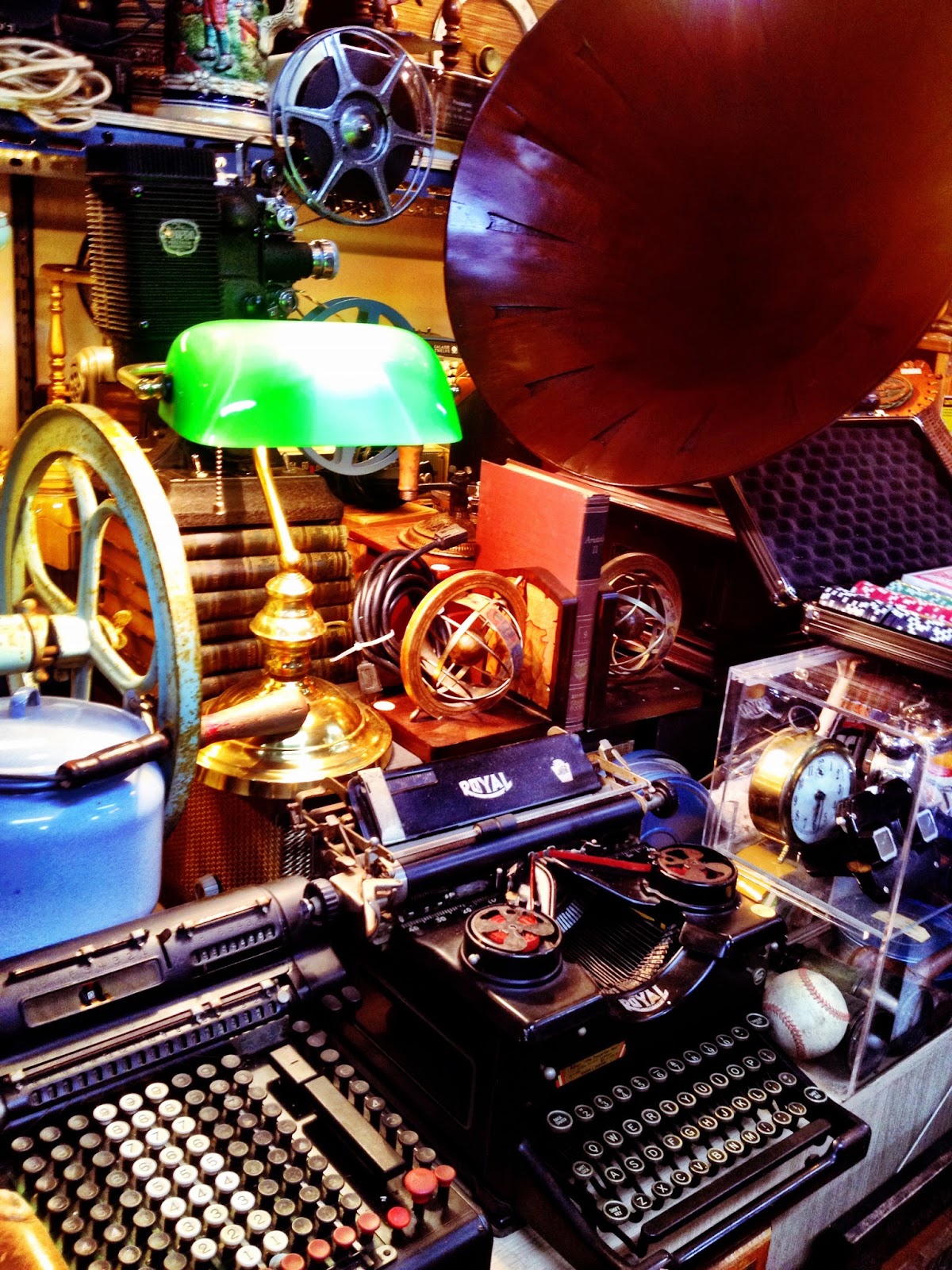
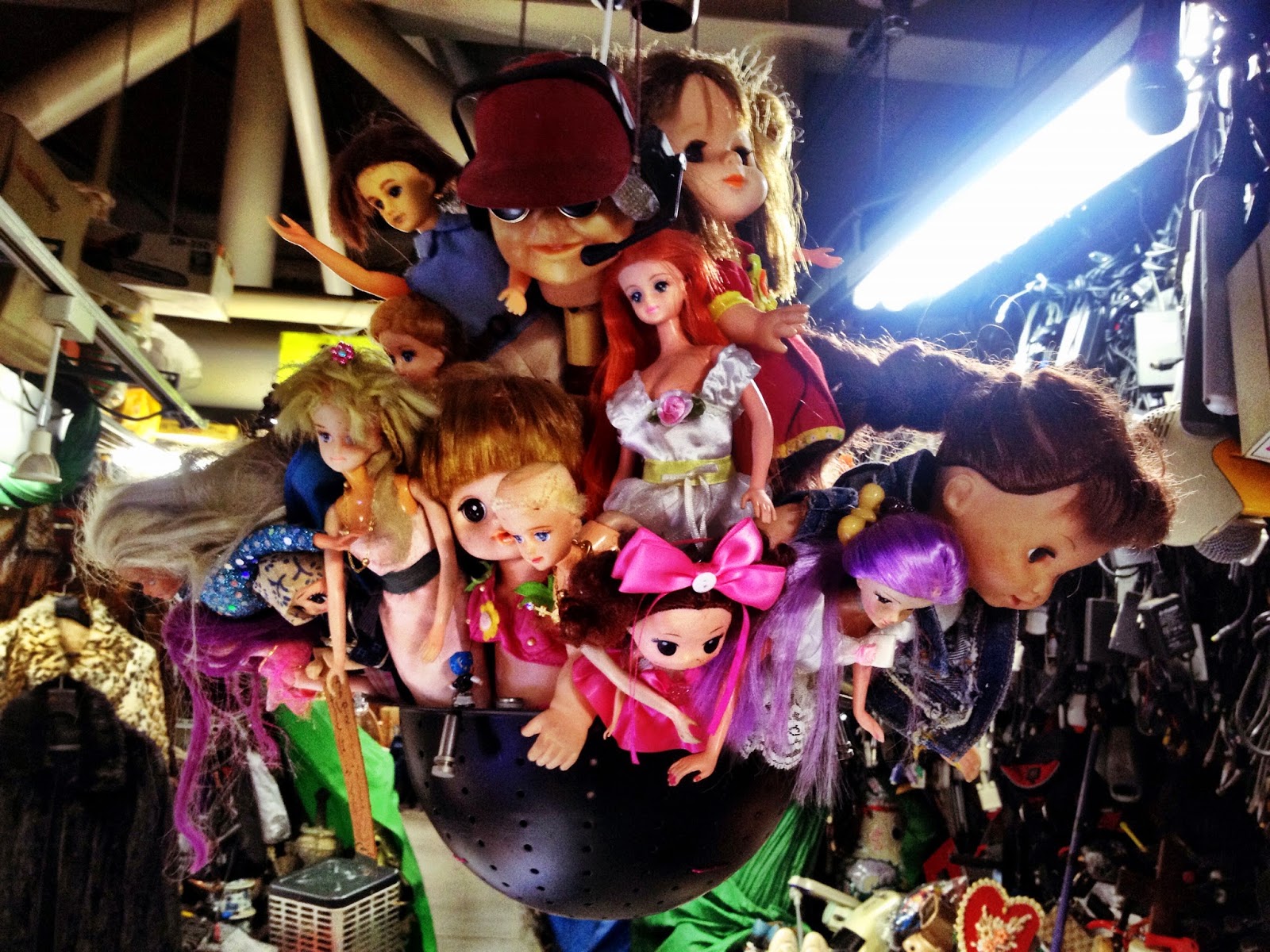
If you were take a Goodwill thrift store and mix it with equal parts antique shop and estate sale, then throw in a pinch of distinctly Asian flair, the result would be the Seoul Folk Flea MarketSome friends and I stumbled across this amazing market by accident -- we'd set out looking for a completely different market and managed to get completely lost. Luckily, losing our way was the best possible thing to have happened because the market we did find greatly exceeded our expectations.


Though I'm slightly upset that it took me two years to find this market, it's probably also for the best. If I'd known about all the vintage and antique things in that that building holds when I was first decorating my apartment in 2011, it would've been dangerous... That being said, this is definitely a new go-to spot for gifts and souvenirs. 


The flea market was only recently put into an actual building in 2008, with its origins being in the street vendors that used to cluster around that area of the Cheonggyecheon Stream. Now it boasts hundreds of vendors and offers a staggering range of items.


Lucky for us (and you), a respectable amount of effort has been put into making this market organized and tourist-friendly. As we walked around, we noticed that the different areas of the market are color-coded, as you can see in the pictures above, from the signs hanging above the aisles to the tarps that pulled down over the booths. Here's a basic breakdown of the zones: 
  • Yellow = household goods, personal goods, vintage clothes, accessories.
  • Orange = vintage clothes, shoes, bags.
  • Green = antiques, used goods.
  • Red = food court!
  • Indigo = tools, bicycle accessories, repair items.
  • Blue = clothes (sports, men's, military).
  • Purple = leisure, cameras, clothing.


Aside from the obviously ancient antiques that makes the market kind of feel like a museum, looking through most of the booths was like a bizarre time warp through the past 50 years. I say bizarre because of the number of very American (and generally Western) items that were being sold, which I can only assume are leftovers from the Korean War and Korea's subsequent modernization. The entire building is just steeped in nostalgia, making any attempt to shop with purpose nearly impossible due to the overwhelming desire to just carefully look at everything.


Directions and information: 
  • Sinseoldong Station, Exit 10. 
  • Walk straight out of the exit and around the corner on the left. You'll make a left at the Shinhan Bank. From there, look for signs and little lanterns hanging along the streetlights. The market will be on your left! (If you cross Cheonggyecheon Stream, you've gone too far.) 
  • Hours: 10:00am - 7:00pm. Closed on every 2nd and 4th Tuesday. (Note: Many vendors close early, so I would advise going before 5:00pm.)